


Pink Halo Chalice
Pink Halo Chalice is backordered and will ship as soon as it is back in stock.
Let us tell you when it’s back.
· One email when this option returns.
Cancel this alertPickup available at New Dawn Aquaculture
Usually ready in 1 hour
Pink Halo Chalice is a bright pink chalice coral with a saturated neon pink to lavender body, pronounced texture, and rounded eyes that give the colony a soft haloed appearance under blue-heavy reef lighting. For reef keepers looking for a standout pink chalice coral, this piece delivers strong fluorescence and clean color without relying on a busy multi-colour pattern.
Coral Overview
Pink Halo Chalice is an aquacultured chalice coral selected for its vivid pink presentation, broad encrusting-to-plating growth, and high visual impact in lower areas of the reef. As the colony grows, the surface develops more ridges, folds, and raised eyes, giving it added texture while keeping the overall look bright and cohesive.
This coral is a strong fit for reef keepers who want a fluorescent LPS showpiece with a softer, more uniform colour profile than many high-contrast watermelon or rainbow chalices. Under stable conditions, it can become an eye-catching focal piece on a lower ledge, isolated island, or dedicated frag shelf.
Why Pink Halo Stands Out
- Vivid neon pink to lavender colouration with a smooth, cohesive look
- Raised eyes and textured tissue that become more dramatic as the colony matures
- Broad chalice growth form that works well on lower rockwork and open shelves
- Strong fluorescence under blue-heavy lighting
- A great choice for reef keepers searching for a distinctive aquacultured pink chalice coral in Canada
Care Requirements
Like most chalice corals, Pink Halo does best with a measured approach to placement and stable reef chemistry. Start this coral in a lower-light area and allow it to adjust gradually. Sudden increases in intensity can mute colour or stress the tissue, while strong direct flow can keep the coral from settling comfortably.
- Lighting: Low to moderate
- Flow: Low to moderate, indirect
- Placement: Low to mid tank on a stable rock, ledge, or isolated frag area
- Temperament: Aggressive toward nearby corals if given contact or nighttime reach
- Best practice: Acclimate slowly and leave room around the colony as it expands
Water Stability Matters
Pink Halo Chalice usually responds best to stable, repeatable water parameters rather than frequent adjustments. Consistent salinity, alkalinity, calcium, magnesium, and measurable nutrients will generally do more for long-term colour and tissue health than chasing isolated test results.
If you want to match the same dosing foundation used on our coral farm, see the HydroShock 3-Part Complete System. You can also review our water parameter targets for a practical baseline.
Feeding & Nutrition
Pink Halo Chalice is primarily photosynthetic, but like many chalices it may benefit from occasional feeding with fine particulate coral foods or broadcast nutrition in a stable, mature system. We support our corals with a live-food approach built around phytoplankton and microbial diversity rather than heavy, messy feeding.
To feed your reef more like we do, explore what we feed our corals or add Rhodomonas Live Phytoplankton - Coral Shots to help support a more complete reef food web.
Placement Tips
Pink Halo is best placed where its colour can be appreciated from the front or slightly above. A lower ledge or open shelf often shows off the texture and eye development better than a cramped rock crevice. Keep it away from corals that may crowd it over time, and avoid areas where detritus can settle heavily on the tissue.
Shipping & Support
All livestock is packed carefully for safe transit and temperature stability. For shipping timing, packing details, and delivery coverage, review our shipping information. For post-delivery support, please read our Arrive Alive Guarantee.
Explore More
If you are building out a lower-light LPS section, browse our full LPS coral collection for other chalices and complementary showpieces.
Our Water Parameters
Our Water Parameters
- Temperature: 24-26 °C (75-78 °F)
- Salinity: 1.026 SG, 35 ppt
- PH: 8.1-8.4
- Ammonia: 0 ppm
- Nitrite: 0 ppb
- Nitrate: 3-15ppm
- Phosphate: 0.03-0.15 ppm
- Alkalinity: 8 dKH
- Calcium: 440 ppm
- Magnesium: 1320 ppm
Acclimation
Acclimation
Temperature Match
Float the sealed bag containing the coral in your tank for 15-20 minutes. This allows the coral to gradually reach the same temperature as your aquarium, minimizing temperature-related stress.
Prepare and Dip Coral
To ensure the health and safety of your new coral, prepare a dip solution using tank water and a coral dip product, following the dip’s instructions for dosage and timing. This precautionary dip helps protect your tank by eliminating any potential hitchhikers. Keep an eye on the coral during the process to confirm it’s responding well.
Rinse in Tank Water
After the dip, rinse the coral thoroughly in a separate container filled with clean tank water. This step removes any residual dip solution, preventing it from entering your display tank and ensuring the coral is safe to be introduced.
Introduce Coral
Carefully position the coral in your tank, ideally on a rock or suitable location based on the coral’s needs. Make sure the placement allows proper flow and lighting according to the coral species. Monitor the coral for the next few hours to ensure it adjusts well.
How We Pack Livestock
How We Pack Livestock
At New Dawn Aquaculture, we take every step to ensure your marine life arrives alive and thriving!
Carefully Packed for a Safe Journey
- Livestock is hand-packed in sealed oxygen-filled bags with fresh saltwater.
- Insulated coolers with heat or ice packs keep conditions stable, regardless of weather.
- Built to handle up to 48 hours in transit.
Fast Delivery, Every Time
We ship FedEx Priority Overnight so your marine life arrives the next day, reducing stress and maximizing health.
Our Promise
Healthy, vibrant marine life delivered to your door, guaranteed. Shop with peace of mind—your aquarium deserves the best!
Arrive Alive Guarantee Policy
Arrive Alive Guarantee Policy
Every shipped livestock order is covered by our Arrive Alive Guarantee. Report any issue within 48 hours of delivery so our team can review the claim and make it right. Read the full Arrive Alive Guarantee

Pink Halo Chalice is backordered and will ship as soon as it is back in stock.
Description
Description
Pink Halo Chalice is a bright pink chalice coral with a saturated neon pink to lavender body, pronounced texture, and rounded eyes that give the colony a soft haloed appearance under blue-heavy reef lighting. For reef keepers looking for a standout pink chalice coral, this piece delivers strong fluorescence and clean color without relying on a busy multi-colour pattern.
Coral Overview
Pink Halo Chalice is an aquacultured chalice coral selected for its vivid pink presentation, broad encrusting-to-plating growth, and high visual impact in lower areas of the reef. As the colony grows, the surface develops more ridges, folds, and raised eyes, giving it added texture while keeping the overall look bright and cohesive.
This coral is a strong fit for reef keepers who want a fluorescent LPS showpiece with a softer, more uniform colour profile than many high-contrast watermelon or rainbow chalices. Under stable conditions, it can become an eye-catching focal piece on a lower ledge, isolated island, or dedicated frag shelf.
Why Pink Halo Stands Out
- Vivid neon pink to lavender colouration with a smooth, cohesive look
- Raised eyes and textured tissue that become more dramatic as the colony matures
- Broad chalice growth form that works well on lower rockwork and open shelves
- Strong fluorescence under blue-heavy lighting
- A great choice for reef keepers searching for a distinctive aquacultured pink chalice coral in Canada
Care Requirements
Like most chalice corals, Pink Halo does best with a measured approach to placement and stable reef chemistry. Start this coral in a lower-light area and allow it to adjust gradually. Sudden increases in intensity can mute colour or stress the tissue, while strong direct flow can keep the coral from settling comfortably.
- Lighting: Low to moderate
- Flow: Low to moderate, indirect
- Placement: Low to mid tank on a stable rock, ledge, or isolated frag area
- Temperament: Aggressive toward nearby corals if given contact or nighttime reach
- Best practice: Acclimate slowly and leave room around the colony as it expands
Water Stability Matters
Pink Halo Chalice usually responds best to stable, repeatable water parameters rather than frequent adjustments. Consistent salinity, alkalinity, calcium, magnesium, and measurable nutrients will generally do more for long-term colour and tissue health than chasing isolated test results.
If you want to match the same dosing foundation used on our coral farm, see the HydroShock 3-Part Complete System. You can also review our water parameter targets for a practical baseline.
Feeding & Nutrition
Pink Halo Chalice is primarily photosynthetic, but like many chalices it may benefit from occasional feeding with fine particulate coral foods or broadcast nutrition in a stable, mature system. We support our corals with a live-food approach built around phytoplankton and microbial diversity rather than heavy, messy feeding.
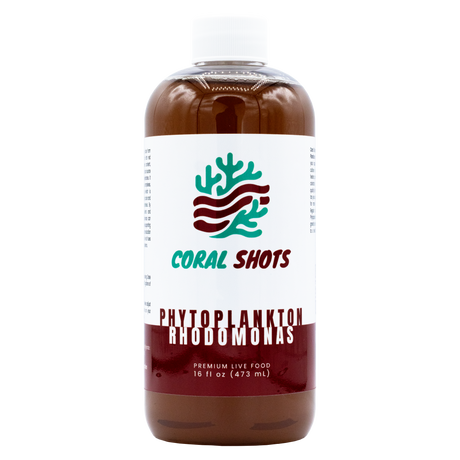
To feed your reef more like we do, explore what we feed our corals or add Rhodomonas Live Phytoplankton - Coral Shots to help support a more complete reef food web.
Placement Tips
Pink Halo is best placed where its colour can be appreciated from the front or slightly above. A lower ledge or open shelf often shows off the texture and eye development better than a cramped rock crevice. Keep it away from corals that may crowd it over time, and avoid areas where detritus can settle heavily on the tissue.
Shipping & Support
All livestock is packed carefully for safe transit and temperature stability. For shipping timing, packing details, and delivery coverage, review our shipping information. For post-delivery support, please read our Arrive Alive Guarantee.
Explore More
If you are building out a lower-light LPS section, browse our full LPS coral collection for other chalices and complementary showpieces.
Our Daily Dose: How We Keep Our Corals Thriving
Our Daily Dose: How We Keep Our Corals Thriving

Our Daily Dose: How We Keep Our Corals Thriving
At New Dawn Aquaculture, every coral system runs on precision, consistency, and the right balance of chemistry and nutrition. Gone are the days of dosing generic off the shelf products. Today, we rely exclusively on our own Reef Charge line to fuel coral growth, coloration, and resilience.
This page outlines exactly what we dose, why we dose it, and how these products keep our reef flats healthy and stable.
The Foundation: Hydroshock 3-Part System
Our Hydroshock 3-Part System is the backbone of every coral system. Together, these three components maintain balanced calcium, alkalinity, and magnesium — the critical building blocks for coral skeleton growth and long-term stability.
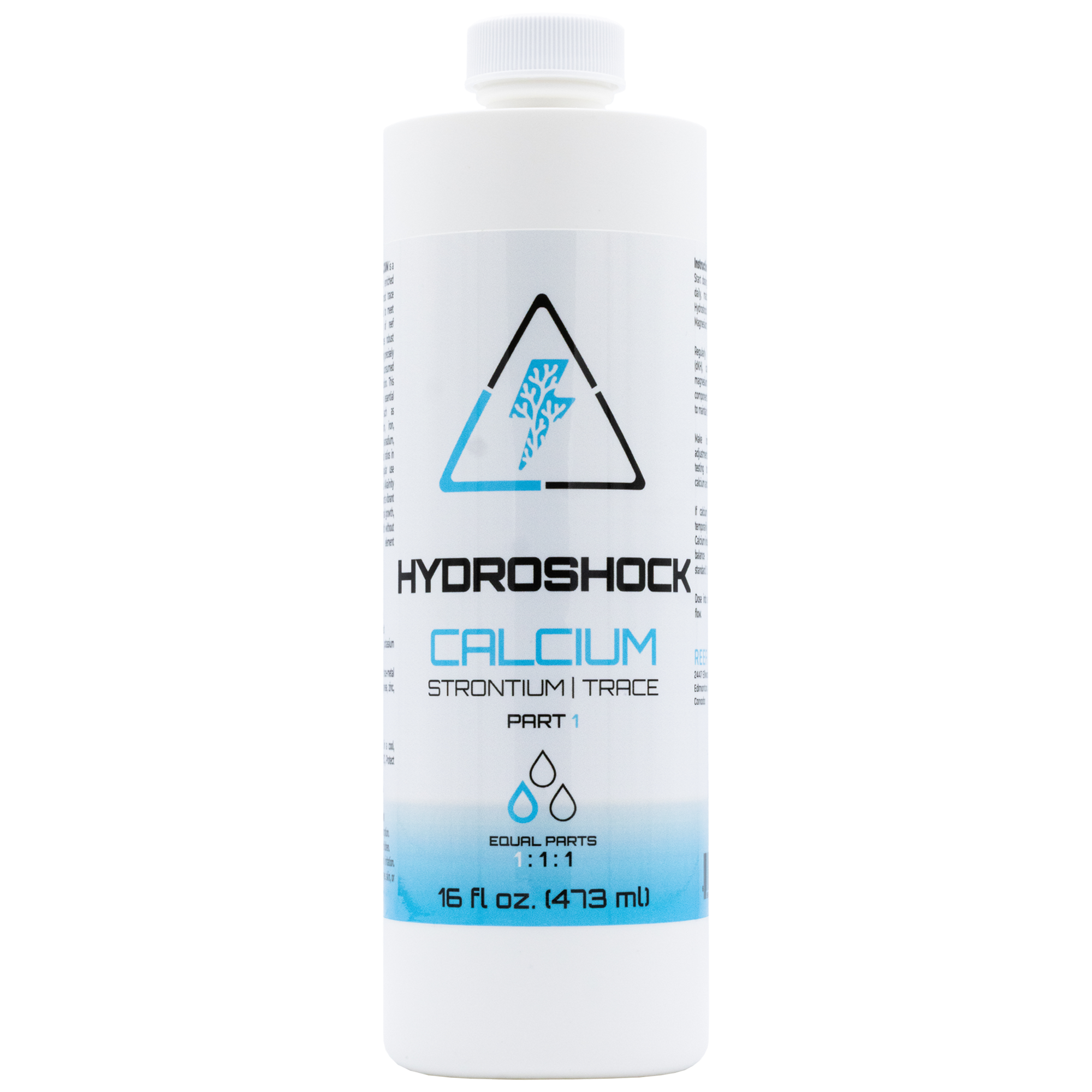
Delivers bio-available calcium and trace elements like strontium, potassium, and iron. Supports strong coral skeletal growth and coloration while maintaining natural ionic balance.
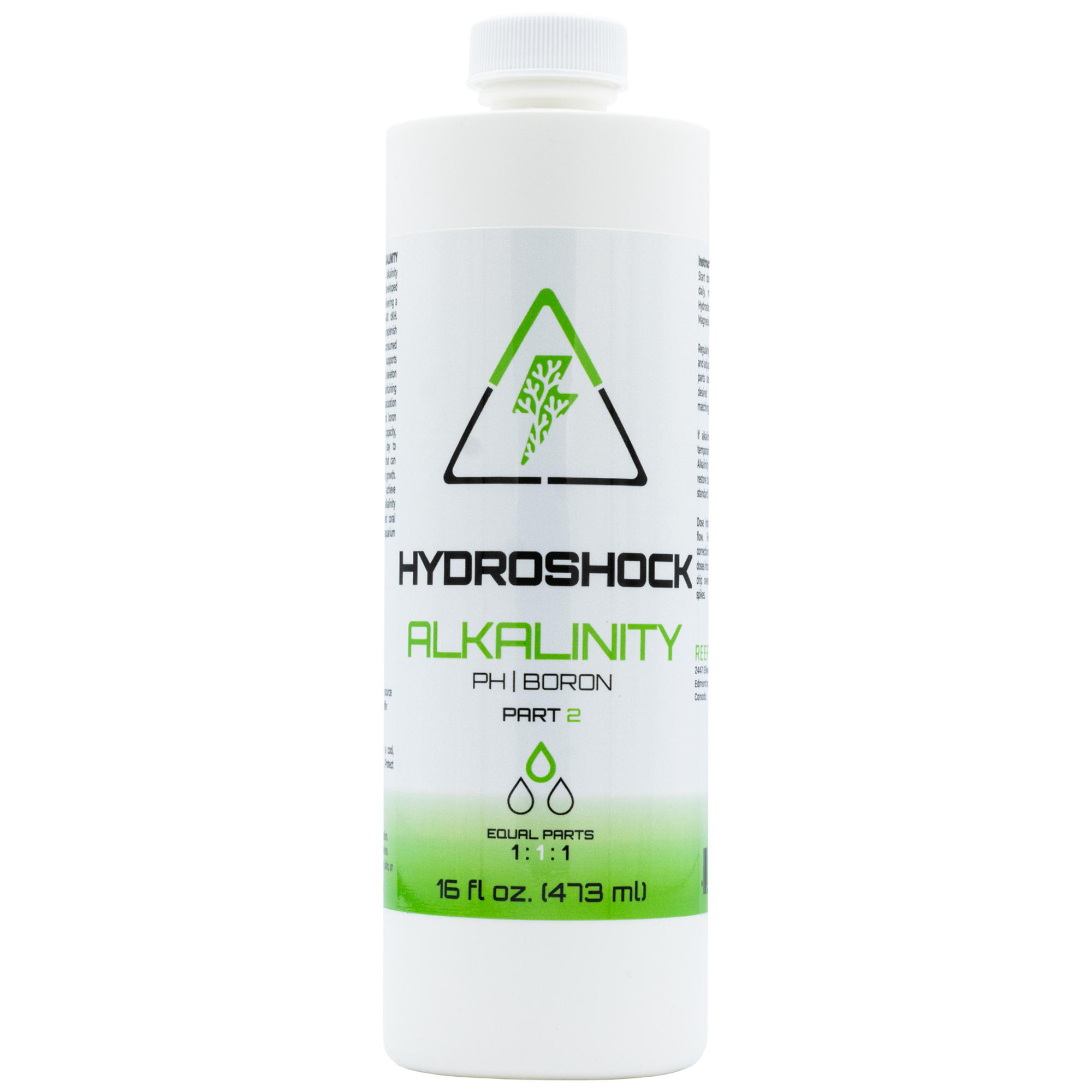
Hydroshock Alkalinity | Part 2
Restores carbonate alkalinity consumed by coral growth and maintains stable pH. Includes boron for enhanced buffering capacity and reduced daily pH swings.
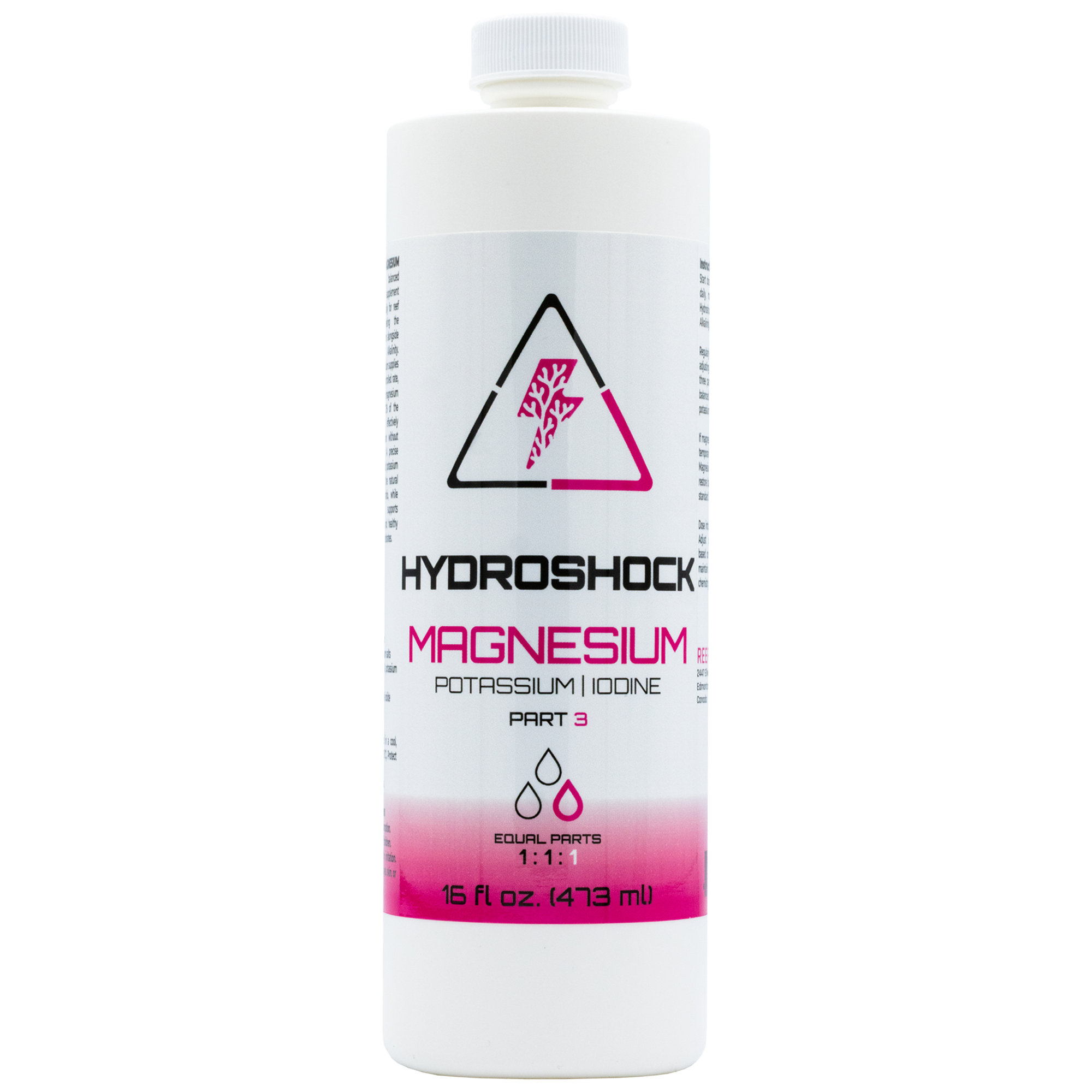
Completes the system by maintaining magnesium, sulfate, and potassium balance. Prevents precipitation and stabilizes ionic ratios for optimal coral health and coloration.
Why It Matters: Balanced calcium, alkalinity, and magnesium are the foundation of coral health. Even slight imbalances can slow growth or dull coloration. Hydroshock keeps these parameters rock solid.
Ammplify: Feeding Corals and Microbial Life
Provides a reef-safe ammonia source that feeds beneficial bacteria and indirectly nourishes corals. Helps maintain gentle nutrient availability and microbial activity in ultra-low nutrient systems.
Why We Dose It: A nutrient-starved reef is not a healthy reef. Ammplify keeps our systems biologically active without resorting to heavy feeding or unstable additives.
Balancing Nutrients: Nitrify & Phosphorize
Even with Ammplify, our coral systems can run extremely lean. When nitrate or phosphate levels drop too low, we carefully dose Nitrify and Phosphorize to bring nutrient levels back into balance.
A precise liquid nitrate supplement used when nitrates fall below target. Restores balanced nitrogen levels for sustained coral coloration and growth without overfeeding.
A controlled-dose phosphate additive for reefs running too clean. Prevents phosphate deficiency that can cause pale tissue and slow coral metabolism.
Our Approach: We only dose these when testing shows a deficiency. Balanced nutrients keep corals vibrant without fueling nuisance algae.
The Result: Stable, Thriving Coral Flats
By combining the Hydroshock 3-Part System, Ammplify, and occasional nutrient supplements, we maintain stable chemistry, controlled nutrients, and consistent coral growth across all systems. Every coral you see from New Dawn Aquaculture is grown under this exact routine, using the same care we recommend for any serious reef keeper.
Learn More
Visit our Reef Charge product line to explore the additives we use daily. These are the same products trusted in every New Dawn Aquaculture coral system.
What We Feed Our Corals
What We Feed Our Corals

At New Dawn Aquaculture, our corals are sustained on a natural diet built around living micro-organisms produced through our Planktura brand. Rather than relying on powdered or preserved foods, we focus on providing live nutrition that supports both coral health and the overall microbiome of our reef systems.
Live Phytoplankton
Every coral system receives daily doses of live phytoplankton grown in-house at Planktura. Each strain offers unique nutritional benefits that contribute to coral health, coloration, and nutrient balance.
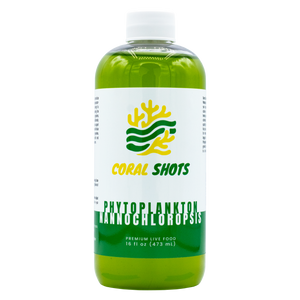
Nannochloropsis Live Phytoplankton
A dense, single-celled green phyto high in omega-3 fatty acids. Excellent for maintaining water clarity and supporting filter feeders. Helps stabilize nutrient export and feeds bacterial populations.
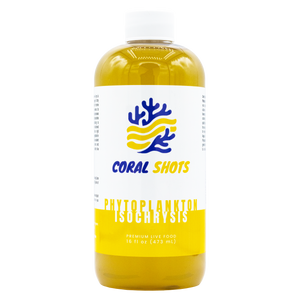
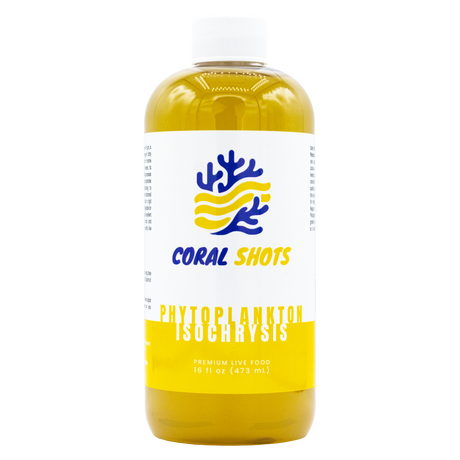
A brown-gold flagellate rich in DHA and carotenoids. Great for feeding zooplankton and enhancing coral coloration, especially for LPS and soft corals. Encourages polyp extension and natural feeding behavior.
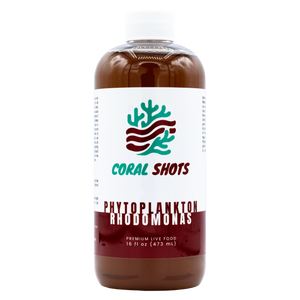
A deep red cryptophyte high in natural pigments and fatty acids. Promotes vivid coral coloration and benefits filter feeders and non-photosynthetic corals through its balanced nutrient content.
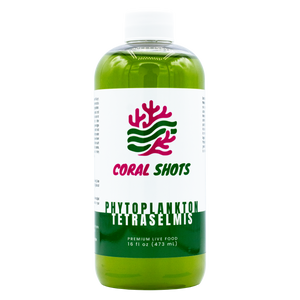
Tetraselmis Live Phytoplankton
A highly active green phyto rich in amino acids and lipids. Supports coral tissue repair and boosts beneficial bacterial growth. Excellent for mixed reefs with both SPS and LPS species.
Live phytoplankton feeds corals directly while sustaining copepods, rotifers, and beneficial bacteria. It creates a balanced, living food web that mirrors the natural reef ecosystem.
Live Bacteria Cultures
In addition to phytoplankton, our systems are dosed with live bacteria from Planktura’s microbial culture line to maintain water quality and microbial diversity.
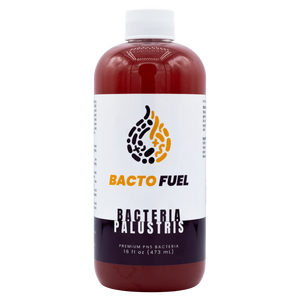
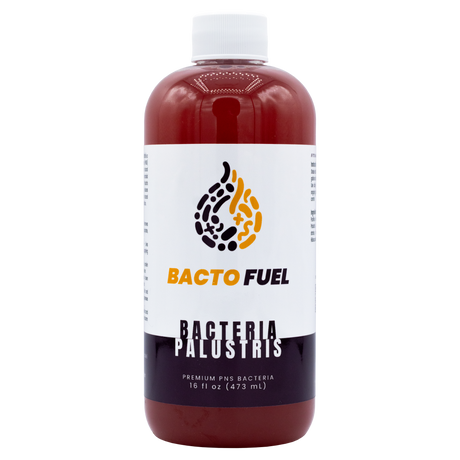
Palustris Live Bacteria – Bacto Fuel
A concentrated culture of Rhodopseudomonas palustris, a purple non-sulfur bacterium that enhances nutrient cycling and water clarity. It helps reduce nitrate and phosphate while providing a bioavailable nitrogen source for corals.
This live bacterial supplement supports a healthy microbiome, aids in organic waste breakdown, and helps maintain balanced nutrient levels. The result is improved coral health, color, and system stability.
Natural Feeding Philosophy
Our approach to coral feeding mirrors the reef ecosystem itself. Instead of relying on heavy particulate feeding, we cultivate a continuous supply of live micro-organisms that nourish the entire food web, from bacteria and plankton to the corals themselves.
This natural method produces cleaner systems, stronger coral tissue, and long-term stability. Every coral we sell has been grown and colored under these same feeding conditions.
Learn More
Explore the Planktura product line to learn more about our live phytoplankton and bacterial cultures, and how you can feed your reef the same way we do at New Dawn Aquaculture.
Understanding the Different Types of Corals
Understanding the Different Types of Corals
Corals come in many shapes, sizes, and growth styles. To make choosing and caring for them easier, we group them into four main categories: SPS, LPS, Soft Corals, and Zoanthids and Mushrooms. Each group has its own care requirements, growth habits, and visual appeal.
SPS Corals (Small Polyp Stony)
SPS corals build rigid calcium skeletons and have very small polyps that extend slightly from their surface. They are known for their incredible structure and vivid coloration but require precise water chemistry and high-intensity lighting. Stability is everything with SPS systems.
- Care Level: Advanced
- Lighting: High
- Flow: Strong, turbulent
- Examples: Acropora, Montipora, Stylophora
SPS thrive in environments with consistent alkalinity, calcium, and magnesium levels. Dosing and nutrient control are essential for maintaining color and growth.
LPS Corals (Large Polyp Stony)
LPS corals have larger, fleshy polyps that sway in the water and give them a more dynamic appearance. They are generally hardier than SPS and can tolerate slightly higher nutrient levels. Their skeletons are still calcium-based but less dense and faster-growing.
- Care Level: Intermediate
- Lighting: Moderate to high
- Flow: Moderate and indirect
- Examples: Hammer, Torch, Frogspawn, Acan, Candy Cane
LPS corals appreciate regular feeding with fine particulate foods and benefit from balanced nutrients supported by products like Hydroshock and Ammplify.
Soft Corals
Soft corals lack a hard skeleton and instead have flexible, leathery bodies that bend with the current. They are some of the most forgiving and beginner-friendly corals and adapt well to a range of lighting and nutrient levels.
- Care Level: Beginner
- Lighting: Low to moderate
- Flow: Moderate to strong
- Examples: Kenya Tree, Leather Corals, Xenia, Clove Polyps
Soft corals grow quickly and can help stabilize new tanks by naturally absorbing nutrients. They are ideal for newer reef systems or as fillers between larger LPS colonies.
Zoanthids and Mushrooms
Zoanthids and Mushroom corals are some of the most colorful and resilient species in the reef aquarium hobby. They spread across rockwork and create vibrant carpets of texture and color.
- Care Level: Beginner
- Lighting: Low to moderate
- Flow: Gentle to moderate
- Examples: Zoanthus, Palythoa, Ricordea, Discosoma
These corals tolerate a wide range of conditions, making them perfect for mixed reefs. Stable nutrients and trace element dosing help maintain their color intensity and growth rate.
Choosing the Right Coral for Your System
When building a reef, match your coral choices to your equipment, experience level, and maintenance routine. SPS corals reward precision, LPS corals add movement and variety, Soft corals bring growth and coverage, and Zoanthids and Mushrooms fill in color and texture.
Every coral grown at New Dawn Aquaculture is cultivated under stable, nutrient-balanced conditions using our Reef Charge product line. Whether you are setting up your first reef or expanding an established one, our systems and products provide the foundation for success.
Reefkeeper reviews
Payment & Security
Payment methods
Your payment information is processed securely. We do not store credit card details nor have access to your credit card information.
Inputs we use in our coral systems



Foods we use in our coral systems
-

-

-

-
-
 Sold out


