

Pink Cadillac
Great colours, healthy looking coral. Awesome addition to my tank.


Pink Cadillac Acropora is backordered and will ship as soon as it is back in stock.
· One email when this option returns.
Cancel this alertPickup available at New Dawn Aquaculture
Usually ready in 1 hour
Acropora divaricata
Pink Cadillac is a classic strain of Acropora divaricata that has been aquacultured for a number of years now. These corals are most well known for their dark purple polyps that contrast the otherwise bright coral. The branches of a Pink Cadillac have golden tips that fade to bright pink. As the colony grows you'll start to see it fade again to a light green colour further down the branches and it will develop a green interior. A fully grown colony of Pink Cadillac is truly stunning and looks just as remarkable in both blue and white light spectrums.
Pink Cadillac is one of our faster growing and easier to keep Acroporas, while it's not an Acropora we would recommend for someone completely new to keeping SPS corals, it is a good next step for the hobbyist who has been having success with some beginner SPS corals and is wanting to try keeping a higher-end strain.
| Care Level | Difficult |
| Lighting | High |
| Water Flow | Strong |
Caring for thriving colonies of Acropora is often viewed as the pinnacle of reef keeping. These corals require a stable tank, high light levels and strong randomized flow. Successful Acropora husbandry is highly rewarding as these corals are known for being difficult to keep. There are over 150 species in this genus and they come in many different colourations and growth formations.
Acropora should be kept in a mature reef aquarium that has stable water parameters. While we have our preferred parameters for Alkalinity, Calcium, and Magnesium, Acropora will do far better in your system if you just focus on keeping the water chemistry stable. If your Alkalinity, Calcium, or Magnesium is out of line, our recommendation is to get it back to your target levels as slowly as possible.
The parameters we aim for are:
| Alkalinity | 8.3 dKH |
| Calcium | 440 ppm |
| Magnesium | 1350 ppm |
We maintain these levels by use of dosing pumps, with Brightwell Aquatics Reef Code A and Reef Code B.
It's important to understand that these are the levels that we aim for in our SPS system. However, that doesn't mean they are the right levels for your system. All aquariums are different and your system may naturally fall on a different balance. You're better off working with the balance your system tends towards than trying to force the same levels that we run.
In terms of flow, Acropora polyps should constantly be getting blown around in various directions. This is a good indication that you have the coral in strong randomized flow.
Good flow is also important to ensure the underside of the colony remains healthy. Often as Acropora colonies grow larger the sides that stop receiving light will lose their polyp extension and their colour. While this is inevitable to some extent, we find that stronger flow will keep the underside of the colony looking healthier and more colourful.
Acropora are among the most light-loving corals in our tanks. We always recommend placing them high up on the rockwork where they will receive plenty of light. There are some exceptions to this such as thin branching deepwater Acropora, but we aim to keep most of our Acropora in 200-350 PAR.
Too little light can cause Acropora to turn brown, if this happens raise the coral in your tank or increase your light intensity. This is a slow process, however, assuming it has good flow and your water chemistry is stable it will regain its colour.
Float the sealed bag containing the coral in your tank for 15-20 minutes. This allows the coral to gradually reach the same temperature as your aquarium, minimizing temperature-related stress.
To ensure the health and safety of your new coral, prepare a dip solution using tank water and a coral dip product, following the dip’s instructions for dosage and timing. This precautionary dip helps protect your tank by eliminating any potential hitchhikers. Keep an eye on the coral during the process to confirm it’s responding well.
After the dip, rinse the coral thoroughly in a separate container filled with clean tank water. This step removes any residual dip solution, preventing it from entering your display tank and ensuring the coral is safe to be introduced.
Carefully position the coral in your tank, ideally on a rock or suitable location based on the coral’s needs. Make sure the placement allows proper flow and lighting according to the coral species. Monitor the coral for the next few hours to ensure it adjusts well.
At New Dawn Aquaculture, we take every step to ensure your marine life arrives alive and thriving!
We ship livestock overnight, Monday to Wednesday only, so your marine life arrives the next morning and never sits in a warehouse over a weekend, reducing stress and maximizing health.
Healthy, vibrant marine life delivered to your door, guaranteed. Shop with peace of mind—your aquarium deserves the best!
Every shipped livestock order is covered by our Arrive Alive Guarantee. Report any issue within 48 hours of delivery so our team can review the claim and make it right. Read the full Arrive Alive Guarantee

Pink Cadillac Acropora is backordered and will ship as soon as it is back in stock.

At New Dawn Aquaculture, every coral system runs on precision, consistency, and the right balance of chemistry and nutrition. Gone are the days of dosing generic off-the-shelf products. Today, every coral system on our farm is dosed with our own Reef Charge line.
This page outlines exactly what we dose, why we dose it, and the levels we hold on our coral flats.
Our Hydroshock 3-Part System is the backbone of every coral system. Corals use up calcium, alkalinity and magnesium every day as they build skeleton. The three parts replace what they use, so we can hold these levels steady:
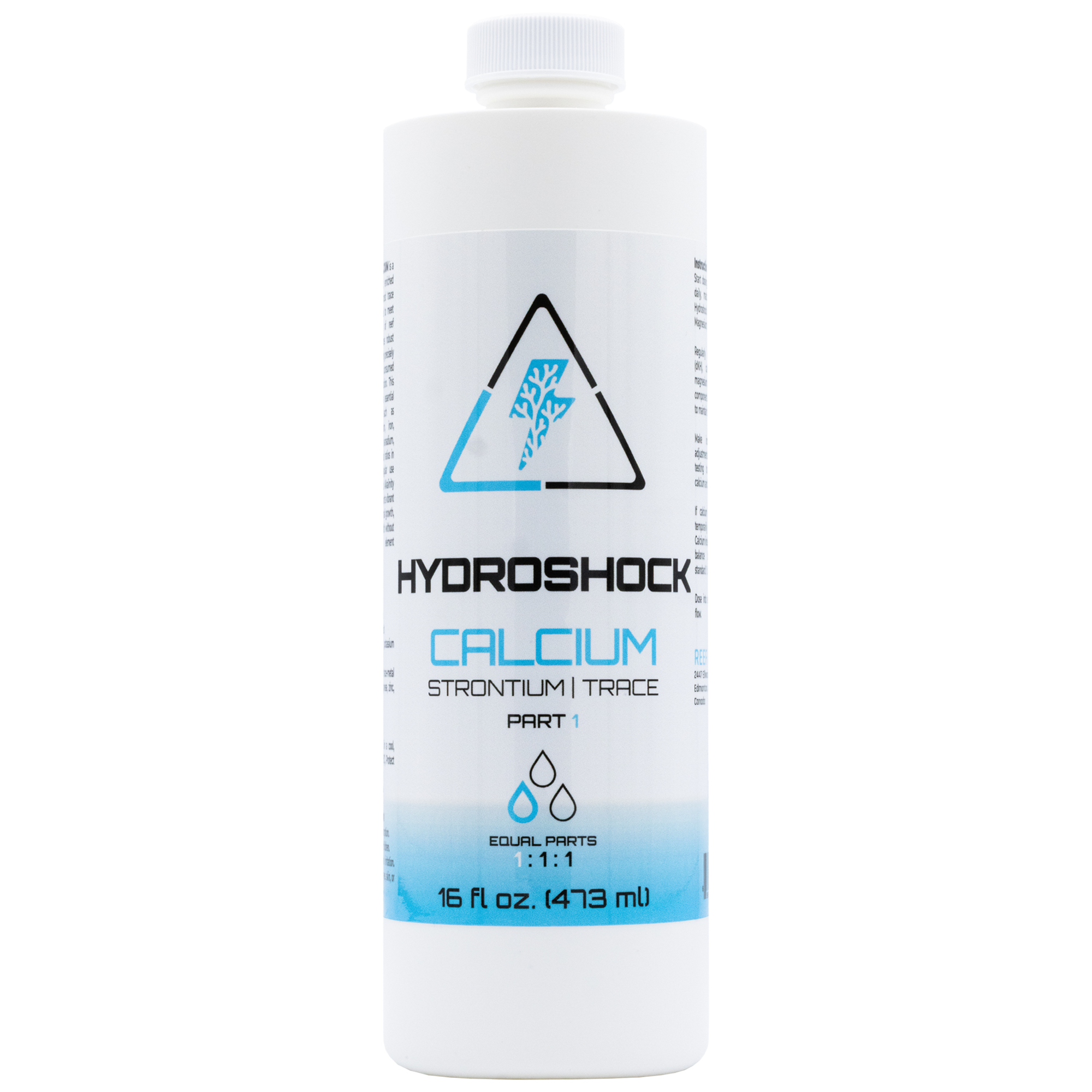
Supplies calcium, with small amounts of strontium, potassium, manganese and zinc, formulated to keep ionic ratios close to natural seawater.
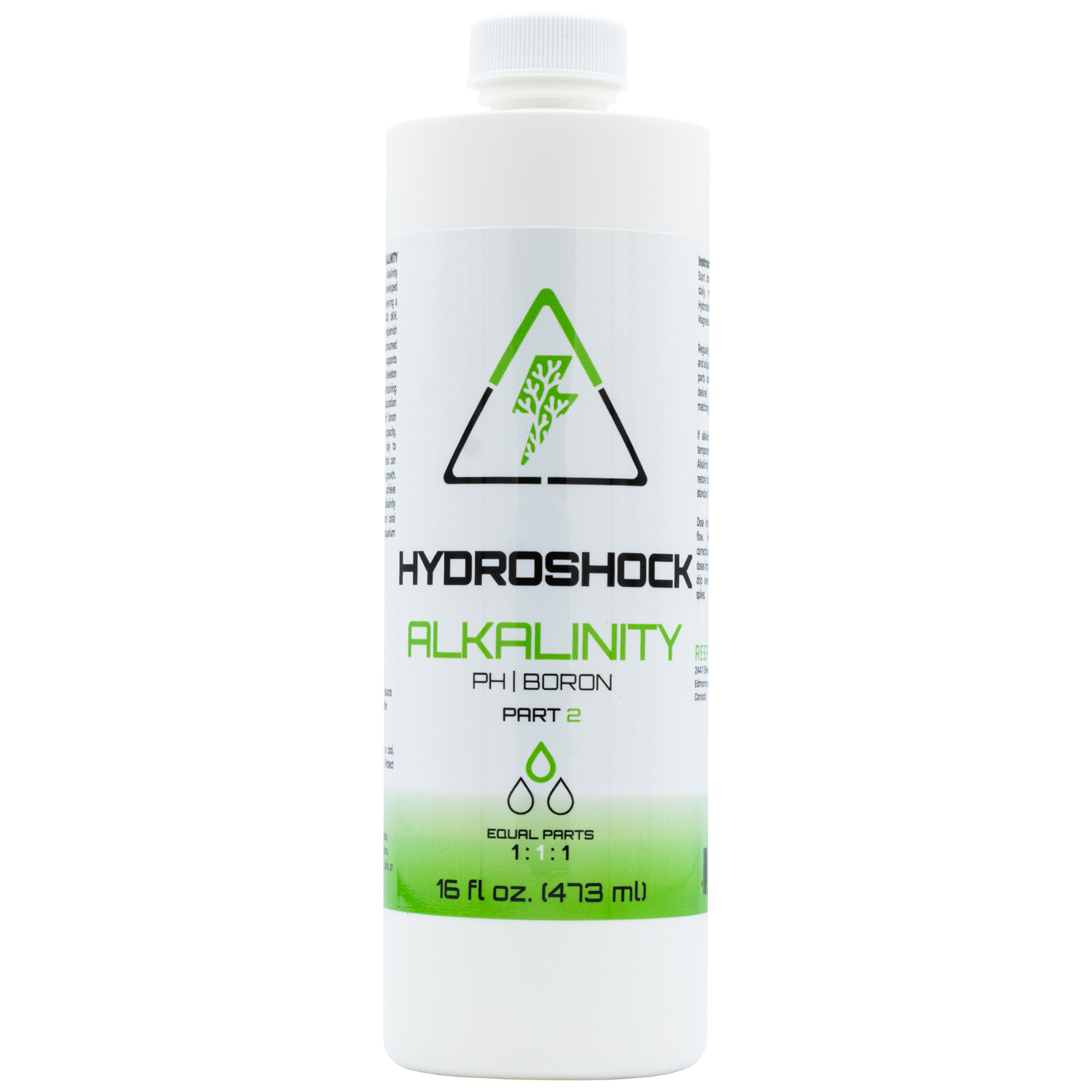
Hydroshock Alkalinity | Part 2
Replaces the carbonate alkalinity used by coral growth. Includes boron, which adds to the water's buffering capacity.
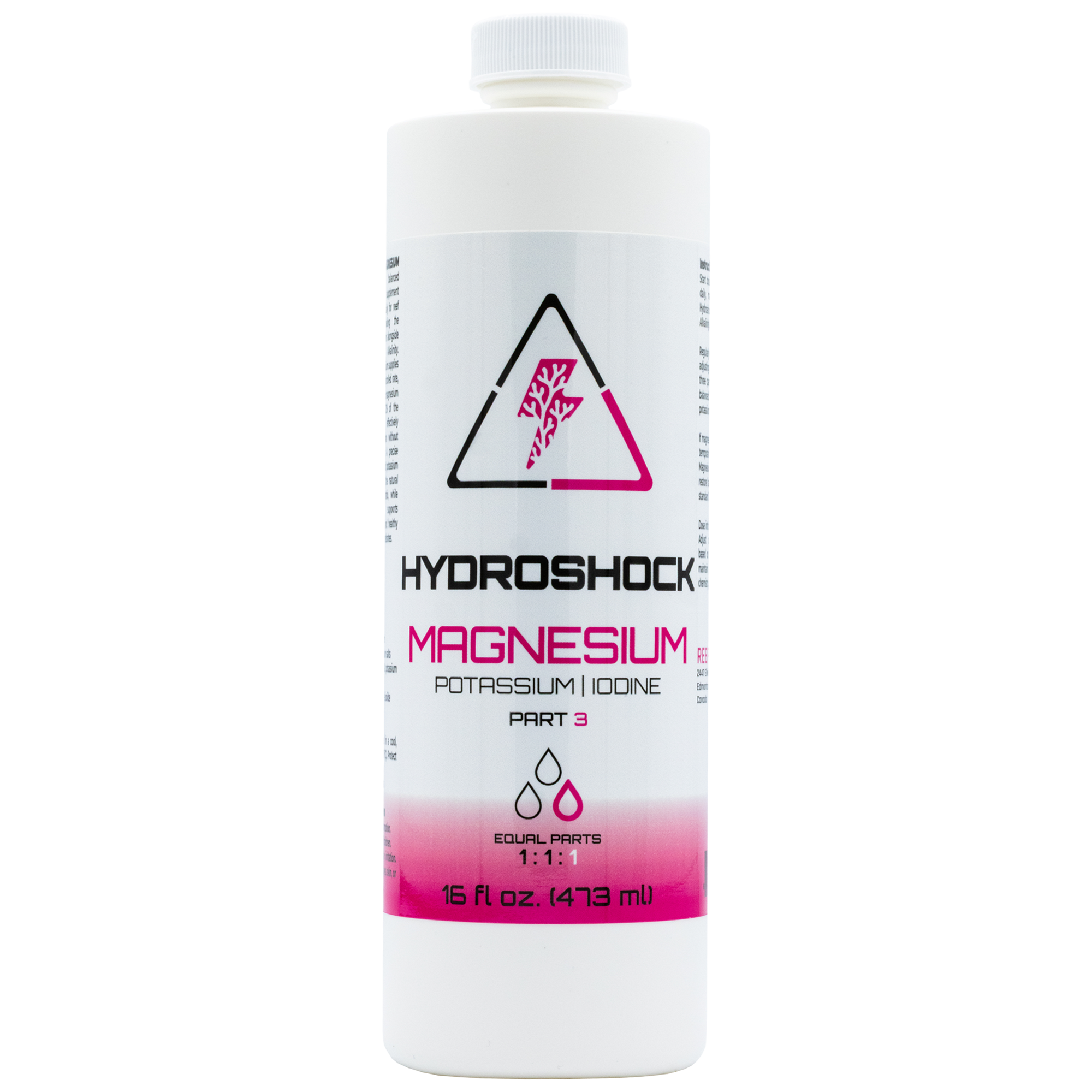
Replaces magnesium, with potassium, sulfate and iodide, so the three parts dosed together keep the major ions close to natural seawater ratios.
Why It Matters: Calcium, alkalinity and magnesium are used up every day in a growing reef. Dosing replaces what is used so the levels stay steady. Stability matters more than any particular number: if your tank is stable at different levels, keep doing what works.
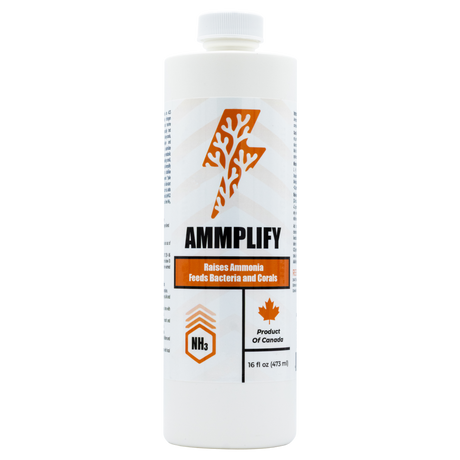
A reef-safe ammonia source for the beneficial bacteria in very lean systems.
Why We Dose It: Our coral systems run on very low nutrients. Ammplify keeps a small, steady supply available without heavy feeding.
Even with Ammplify, our coral systems can run extremely lean. When nitrate or phosphate levels drop too low, we carefully dose Nitrify and Phosphorize to bring nutrient levels back into balance.
A liquid nitrate supplement we dose when testing shows nitrate has fallen below our target.
A phosphate supplement we dose when testing shows phosphate has fallen below our target.
Our Approach: We only dose these when testing shows a deficiency.
By combining the Hydroshock 3-Part System, Ammplify, and occasional nutrient supplements, we keep our chemistry stable and our nutrients controlled across all systems. Every coral you see from New Dawn Aquaculture is grown under this routine.
Visit our Reef Charge product line to explore the additives we use daily, and use the dosing calculator there to work out your own daily dose. Test first, and never mix the parts.

At New Dawn Aquaculture, our corals are sustained on a natural diet built around living micro-organisms produced through our Planktura brand. Rather than relying on powdered or preserved foods, we focus on providing live nutrition that supports both coral health and the overall microbiome of our reef systems.
Every coral system receives daily doses of live phytoplankton grown in-house at Planktura. Each strain offers unique nutritional benefits that contribute to coral health, coloration, and nutrient balance.
Nannochloropsis Live Phytoplankton
A dense, single-celled green phyto high in omega-3 fatty acids. Excellent for maintaining water clarity and supporting filter feeders. Helps stabilize nutrient export and feeds bacterial populations.
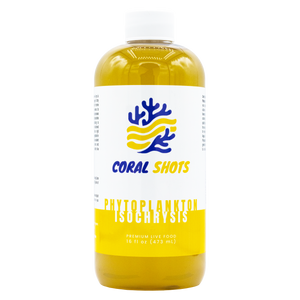
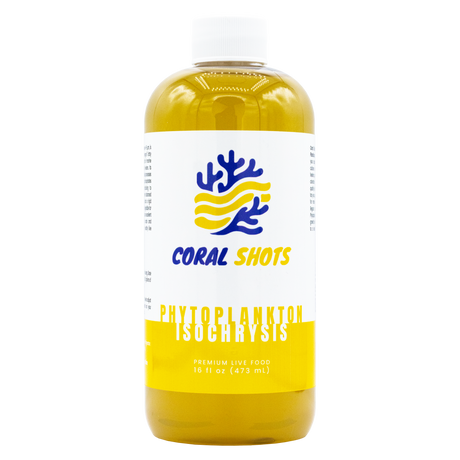
A brown-gold flagellate rich in DHA and carotenoids. Great for feeding zooplankton and enhancing coral coloration, especially for LPS and soft corals. Encourages polyp extension and natural feeding behavior.
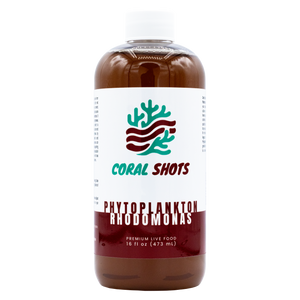
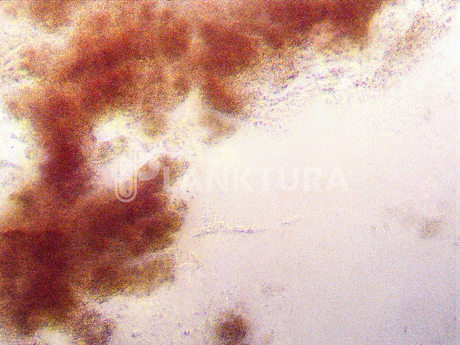
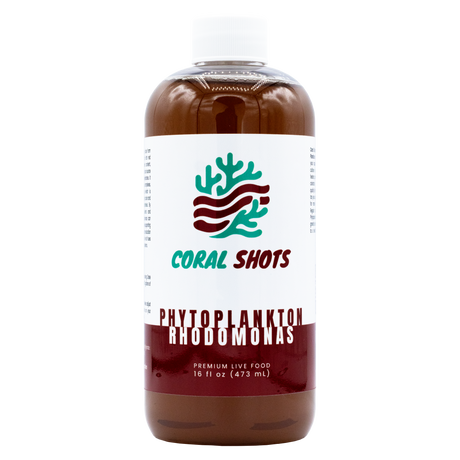
A deep red cryptophyte high in natural pigments and fatty acids. Promotes vivid coral coloration and benefits filter feeders and non-photosynthetic corals through its balanced nutrient content.
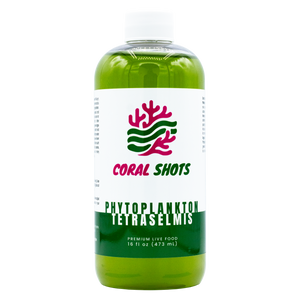
Tetraselmis Live Phytoplankton
A highly active green phyto rich in amino acids and lipids. Supports coral tissue repair and boosts beneficial bacterial growth. Excellent for mixed reefs with both SPS and LPS species.
Live phytoplankton feeds corals directly while sustaining copepods, rotifers, and beneficial bacteria. It creates a balanced, living food web that mirrors the natural reef ecosystem.
In addition to phytoplankton, our systems are dosed with live bacteria from Planktura’s microbial culture line to maintain water quality and microbial diversity.
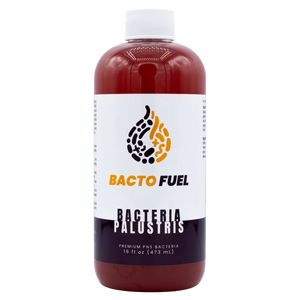
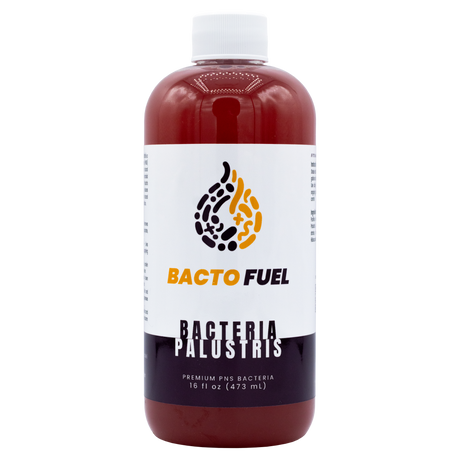
Palustris Live Bacteria – Bacto Fuel
A concentrated culture of Rhodopseudomonas palustris, a purple non-sulfur bacterium that enhances nutrient cycling and water clarity. It helps reduce nitrate and phosphate while providing a bioavailable nitrogen source for corals.
This live bacterial supplement supports a healthy microbiome, aids in organic waste breakdown, and helps maintain balanced nutrient levels. The result is improved coral health, color, and system stability.
Our approach to coral feeding mirrors the reef ecosystem itself. Instead of relying on heavy particulate feeding, we cultivate a continuous supply of live micro-organisms that nourish the entire food web, from bacteria and plankton to the corals themselves.
This natural method produces cleaner systems, stronger coral tissue, and long-term stability. Every coral we sell has been grown and colored under these same feeding conditions.
Explore the Planktura product line to learn more about our live phytoplankton and bacterial cultures, and how you can feed your reef the same way we do at New Dawn Aquaculture.
Corals come in many shapes, sizes, and growth styles. To make choosing and caring for them easier, we group them into four main categories: SPS, LPS, Soft Corals, and Zoanthids and Mushrooms. Each group has its own care requirements, growth habits, and visual appeal.
SPS corals build rigid calcium skeletons and have very small polyps that extend slightly from their surface. They are known for their incredible structure and vivid coloration but require precise water chemistry and high-intensity lighting. Stability is everything with SPS systems.
SPS thrive in environments with consistent alkalinity, calcium, and magnesium levels. Dosing and nutrient control are essential for maintaining color and growth.
LPS corals have larger, fleshy polyps that sway in the water and give them a more dynamic appearance. They are generally hardier than SPS and can tolerate slightly higher nutrient levels. Their skeletons are still calcium-based but less dense and faster-growing.
LPS corals appreciate regular feeding with fine particulate foods and benefit from balanced nutrients supported by products like Hydroshock and Ammplify.
Soft corals lack a hard skeleton and instead have flexible, leathery bodies that bend with the current. They are some of the most forgiving and beginner-friendly corals and adapt well to a range of lighting and nutrient levels.
Soft corals grow quickly and can help stabilize new tanks by naturally absorbing nutrients. They are ideal for newer reef systems or as fillers between larger LPS colonies.
Zoanthids and Mushroom corals are some of the most colorful and resilient species in the reef aquarium hobby. They spread across rockwork and create vibrant carpets of texture and color.
These corals tolerate a wide range of conditions, making them perfect for mixed reefs. Stable nutrients and trace element dosing help maintain their color intensity and growth rate.
When building a reef, match your coral choices to your equipment, experience level, and maintenance routine. SPS corals reward precision, LPS corals add movement and variety, Soft corals bring growth and coverage, and Zoanthids and Mushrooms fill in color and texture.
Every coral grown at New Dawn Aquaculture is cultivated under stable, nutrient-balanced conditions using our Reef Charge product line. Whether you are setting up your first reef or expanding an established one, our systems and products provide the foundation for success.
Great colours, healthy looking coral. Awesome addition to my tank.
Payment methods
Your payment information is processed securely. We do not store credit card details nor have access to your credit card information.






Acropora divaricata
Pink Cadillac is a classic strain of Acropora divaricata that has been aquacultured for a number of years now. These corals are most well known for their dark purple polyps that contrast the otherwise bright coral. The branches of a Pink Cadillac have golden tips that fade to bright pink. As the colony grows you'll start to see it fade again to a light green colour further down the branches and it will develop a green interior. A fully grown colony of Pink Cadillac is truly stunning and looks just as remarkable in both blue and white light spectrums.
Pink Cadillac is one of our faster growing and easier to keep Acroporas, while it's not an Acropora we would recommend for someone completely new to keeping SPS corals, it is a good next step for the hobbyist who has been having success with some beginner SPS corals and is wanting to try keeping a higher-end strain.
| Care Level | Difficult |
| Lighting | High |
| Water Flow | Strong |
Caring for thriving colonies of Acropora is often viewed as the pinnacle of reef keeping. These corals require a stable tank, high light levels and strong randomized flow. Successful Acropora husbandry is highly rewarding as these corals are known for being difficult to keep. There are over 150 species in this genus and they come in many different colourations and growth formations.
Acropora should be kept in a mature reef aquarium that has stable water parameters. While we have our preferred parameters for Alkalinity, Calcium, and Magnesium, Acropora will do far better in your system if you just focus on keeping the water chemistry stable. If your Alkalinity, Calcium, or Magnesium is out of line, our recommendation is to get it back to your target levels as slowly as possible.
The parameters we aim for are:
| Alkalinity | 8.3 dKH |
| Calcium | 440 ppm |
| Magnesium | 1350 ppm |
We maintain these levels by use of dosing pumps, with Brightwell Aquatics Reef Code A and Reef Code B.
It's important to understand that these are the levels that we aim for in our SPS system. However, that doesn't mean they are the right levels for your system. All aquariums are different and your system may naturally fall on a different balance. You're better off working with the balance your system tends towards than trying to force the same levels that we run.
In terms of flow, Acropora polyps should constantly be getting blown around in various directions. This is a good indication that you have the coral in strong randomized flow.
Good flow is also important to ensure the underside of the colony remains healthy. Often as Acropora colonies grow larger the sides that stop receiving light will lose their polyp extension and their colour. While this is inevitable to some extent, we find that stronger flow will keep the underside of the colony looking healthier and more colourful.
Acropora are among the most light-loving corals in our tanks. We always recommend placing them high up on the rockwork where they will receive plenty of light. There are some exceptions to this such as thin branching deepwater Acropora, but we aim to keep most of our Acropora in 200-350 PAR.
Too little light can cause Acropora to turn brown, if this happens raise the coral in your tank or increase your light intensity. This is a slow process, however, assuming it has good flow and your water chemistry is stable it will regain its colour.


